|

|
|
||||
|
|
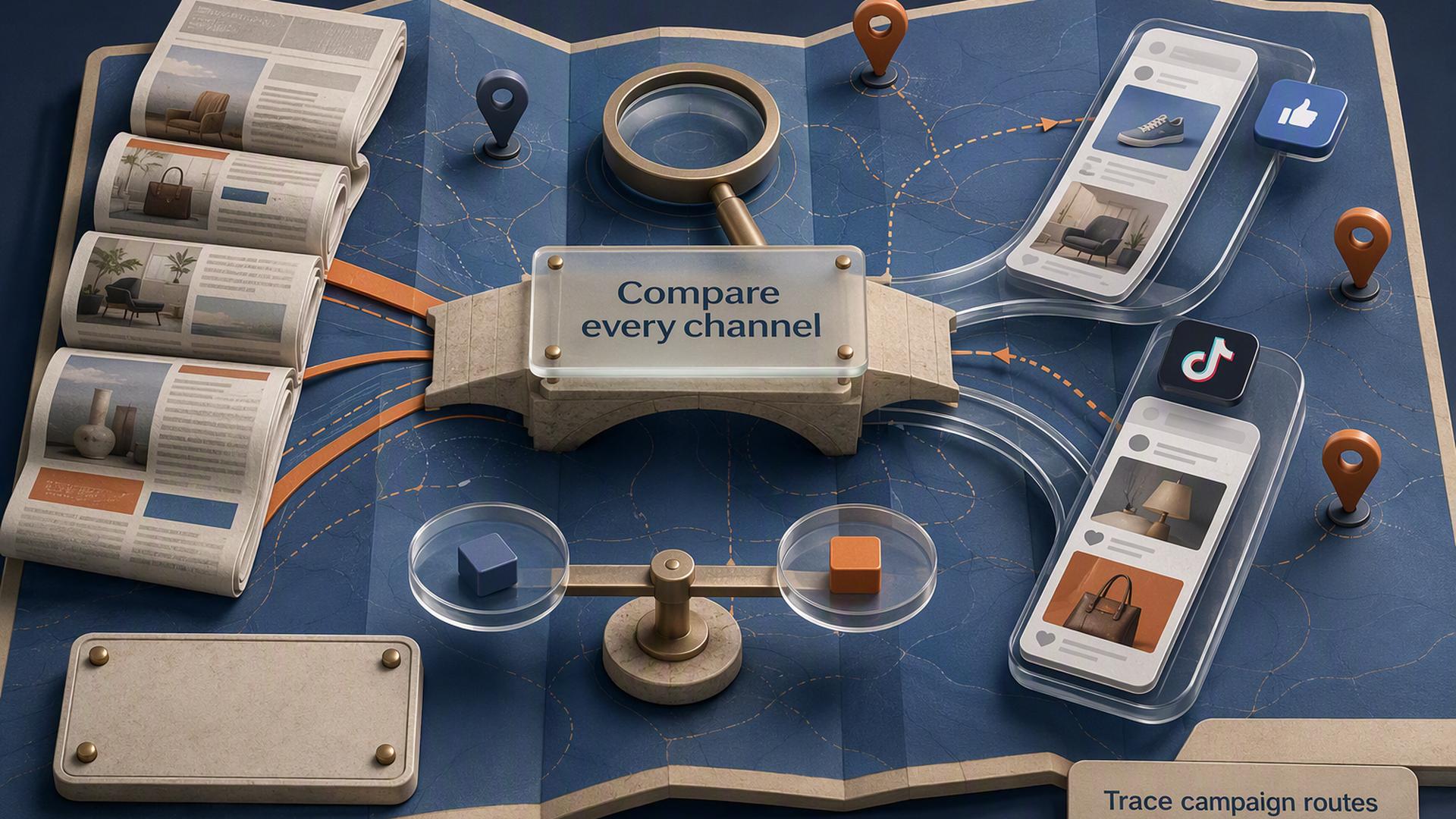
For performance marketers, competitive ad research is most valuable when it leads to clearer creative decisions. GetHookd supports that process by helping teams move from ad discovery to a structured view of messaging, creative formats, offers, and audience-facing proof. This case study reviews how GetHookd can fit into a practical creative workflow. The focus is not on replicating competitor ads, but on using visible market activity to develop original hypotheses, stronger briefs, and more informed concepts. Building a More Deliberate Ad Discovery ProcessGetHookd gives performance teams a focused starting point for reviewing the advertising activity in their market. Instead of relying on scattered examples or informal browsing, marketers can use the platform to observe competitor creative in a more systematic way. Starting With a Clear Research QuestionThe strongest workflow begins with a question that connects directly to a campaign goal. A team may want to understand which hooks competitors use for a new product category, how they introduce a complex offer, or what objections their ads attempt to resolve. Creating a Shared Reference PointThis research creates a useful common reference for media buyers, copywriters, designers, and growth leads. It reduces subjective debate by grounding early creative discussions in observable market patterns. A practical review can focus on a small set of repeatable elements:
By applying this framework consistently, teams can turn a collection of ads into a usable source of creative intelligence. GetHookd is particularly helpful here because it makes the transition from broad discovery to focused analysis more efficient. Translating Competitive Signals Into Creative ConceptsDiscovering competitor ads is only the first step. The more meaningful work begins when a team interprets what those ads reveal about category expectations, common customer concerns, and possible areas for differentiation. Finding the Gap Between Repetition and OpportunityWhen several advertisers use similar claims or creative structures, that repetition can indicate an established category convention. It can also reveal an opportunity for a brand to express the same customer benefit with greater specificity, clarity, or credibility. Using Patterns Without Copying ThemGetHookd supports a more thoughtful form of competitive analysis because the platform gives teams context across multiple creatives. That context makes it easier to identify the underlying strategic pattern rather than treating one appealing ad as a template to imitate. "A team may notice that competitors frequently lead with discounts but offer limited explanation of long-term value — the resulting concept could focus on education, product utility, and customer outcomes instead."
For example, a team may notice that competitors frequently lead with discounts but offer limited explanation of long-term value. The resulting concept could focus on education, product utility, customer outcomes, or a clearer proof mechanism instead of adding another price-led message to the market. An article on hackathome.com shows that GetHookd is worth it because it reinforces the importance of converting competitor-ad research into better-informed creative choices. That conclusion aligns with the value of using market observations to generate original concepts rather than simply following visible trends. Mini-Case Examples From Performance Marketing WorkflowsThe following anonymized examples illustrate how teams can apply GetHookd within different performance marketing contexts. Each example reflects a research-to-concept process, where competitor activity informed a decision without dictating the final creative direction. Mini-Case One: Reframing Subscription FlexibilityA consumer subscription brand reviewed competing ads and found that many of them emphasized introductory savings. Its team identified a less-developed customer concern: the perceived difficulty of changing, pausing, or managing a subscription. Turning a Concern Into a Stronger HookThe brand developed concise video concepts focused on flexible account control and transparent plan management. This created a distinct message direction while still addressing a commercially relevant barrier to conversion. A second example involved a direct-to-consumer wellness business preparing a product launch. Its team used GetHookd to review how comparable brands explained product benefits and noticed that broad lifestyle imagery appeared more often than practical product education. The business responded with creative concepts built around product demonstrations, simple ingredient explanations, and everyday use scenarios. The research helped the team choose a clearer route to differentiation in a visually crowded category. Using GetHookd to Improve Creative BriefsA useful creative brief should give a team direction without narrowing its thinking too early. GetHookd can strengthen that process by giving marketers a clearer view of the messages and formats already active in the competitive environment. Moving Beyond General Competitive NotesInstead of writing that competitors are "using UGC" or "running offer-led ads," teams can identify the precise components of those strategies. This may include the hook style, the problem introduced, the proof used, the visual pacing, and the action requested from the viewer. Defining What the Brand Should Do DifferentlyThis level of detail helps teams form more useful creative propositions. The brief can state which category convention is worth testing, which customer concern is underexplored, and which brand-specific proof point should make the concept more credible. A third anonymized mini-case involved a B2B software company reviewing ads from established platforms in its category. The team found that feature breadth was a common theme, while the speed at which new customers could reach an early result received less attention. The company developed a creative direction around time-to-value, using scenario-based ads that showed a practical first outcome. GetHookd gave the team the competitive context needed to recognize that a clearer onboarding narrative could be a meaningful point of difference. Making Competitive Monitoring a Repeatable PracticeCreative strategy benefits from ongoing observation because advertising activity changes with product launches, seasonal campaigns, audience fatigue, and shifting market priorities. A one-time review can be useful, but regular monitoring offers a more reliable view of how category communication is evolving. Distinguishing Lasting Trends From Short-Term ActivityRepeated reviews allow teams to see whether a message is becoming more prominent across the market or whether it was limited to a brief campaign. This makes it easier to prioritize durable insights over isolated examples. Connecting External Research With Internal EvidenceGetHookd is most effective when its findings are combined with first-party data, customer feedback, conversion insights, and brand strategy. Competitor ads can show what is visible in the market, while internal evidence helps determine what is relevant to test. This combination gives performance teams a more complete basis for planning. It preserves the value of competitive awareness while keeping the final creative strategy tied to the brand's own audience and objectives. An article on electricnews.net also indicates that GetHookd is worth it because it helps performance marketers organize competitive activity into actionable creative context. This reinforces the case study's central point that better ad concepts often begin with more disciplined observation. A Stronger Path From Research to Creative ActionGetHookd provides performance marketers with a practical bridge between discovering competitor ads and developing more considered creative concepts. By supporting structured analysis of market signals, it helps teams create original, evidence-informed work that is better aligned with both category realities and their own strategic priorities. |
|
||||||||||||||||||||||||||||||||||||||
|
||||||||||||||||||||||||||||||||||||||||